Shapes Games for Kids – Learn Circles, Squares, Triangles & More
Teach 2D and 3D shape recognition with drag-and-drop puzzles and matching games.
Play Now — Free, No Login
Shape Quest
Step 1 of 3: Welcome
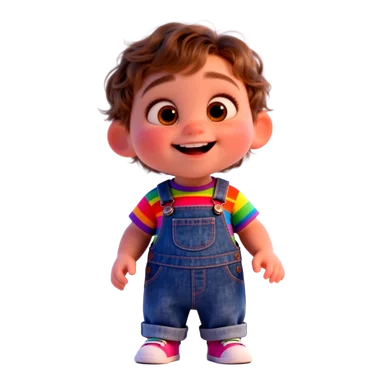
Let's explore the world of shapes! Can you find circles, squares, and triangles? They're everywhere around us!
Build early geometry skills with playful shape recognition activities. Kids match, sort and drag shapes while hearing each one named aloud.
Why Kids Love Our Shapes Games
Shape Recognition
Identify circles, squares, triangles, stars, hearts and diamonds.
Spatial Reasoning
Drag-and-drop puzzles develop early geometry intuition.
Vocabulary Building
Voice guidance teaches shape names in multiple languages.
Built for Every Age
Ages 2–4: Basic shapes
Ages 5–6: Shape sorting & matching
Ages 7+: 3D shapes & properties
What's Inside
- Drag-and-drop matching puzzles
- Audio pronunciation in 8 languages
- Reward animations and badges
- Touch-friendly on tablets and phones
A Parent's Guide to Shapes
What shapes actually covers
Shape work covers recognising and naming 2D shapes, noticing their properties — how many sides, how many corners, whether the sides are the same length — and later moving on to 3D solids like cubes, spheres and cylinders. It also covers position and direction language: above, below, behind, next to, turn, flip. Our shape games use drag-and-drop matching and sorting so children handle shapes rather than only look at them.
Why it matters
Shape and space work is early geometry, but it is also early reading. Distinguishing a “b” from a “d” is a visual discrimination task, and so is spotting that a triangle has three sides and a square has four. Spatial language also turns up in maths problems, sport, map reading and following instructions of every kind.
Signs of readiness and typical milestones
Children develop at their own pace — these are rough guides, not targets.
- Around ages 2–4: Matches identical shapes and names circle, square and triangle, often ignoring size and rotation at first.
- Around ages 5–6: Sorts shapes by number of sides and recognises a shape even when it is rotated or stretched.
- Around ages 7+: Names 3D solids, counts faces and edges, and uses words like symmetrical and right angle.
Three things you can try away from the screen
Go shape spotting
Windows, road signs, tins, clock faces. Naming shapes in the real world beats worksheets for making the idea stick.
Turn the shape around
Show a triangle balanced on a point, a long thin rectangle, a huge square. Children often think a shape stops being itself when it moves.
Build, do not just look
Blocks, cut paper, sticks and playdough. Making a shape teaches its properties faster than pointing at one.
Frequently Asked Questions
What shapes are included?
Circles, squares, triangles, stars, hearts, diamonds and more advanced 3D shapes.
Is it good for preschoolers?
Absolutely — shapes are a foundational preschool skill and our games are built for ages 2+.
Explore More Learning
Start Learning Today
Join 50,000+ families using Elonic World for safe, fun, ad-free learning.